Phase 3 (VIITAL study)
Phase 1/2a

  • Study design
  • Healing at week 24
  • Before and after images
  • Pain/itch reductions
  • Long-term follow-up images

Phase 1/2a

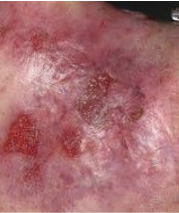
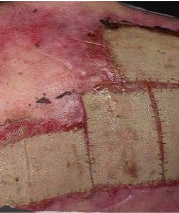
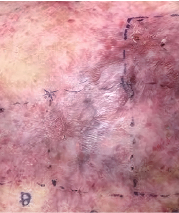
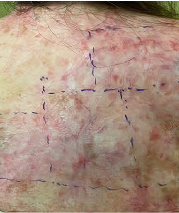
  • Long-term follow-up images
Upper Group

Phase 3 (VIITAL study) | Study Design

VIITAL Phase 3 study design

A randomized, intrapatient-controlled trial comparing ZEVASKYN with conventional wound management1,2*
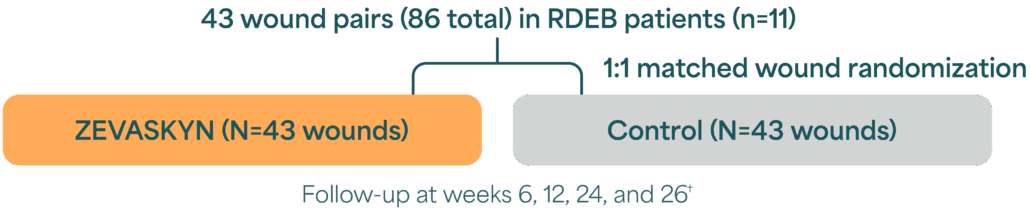
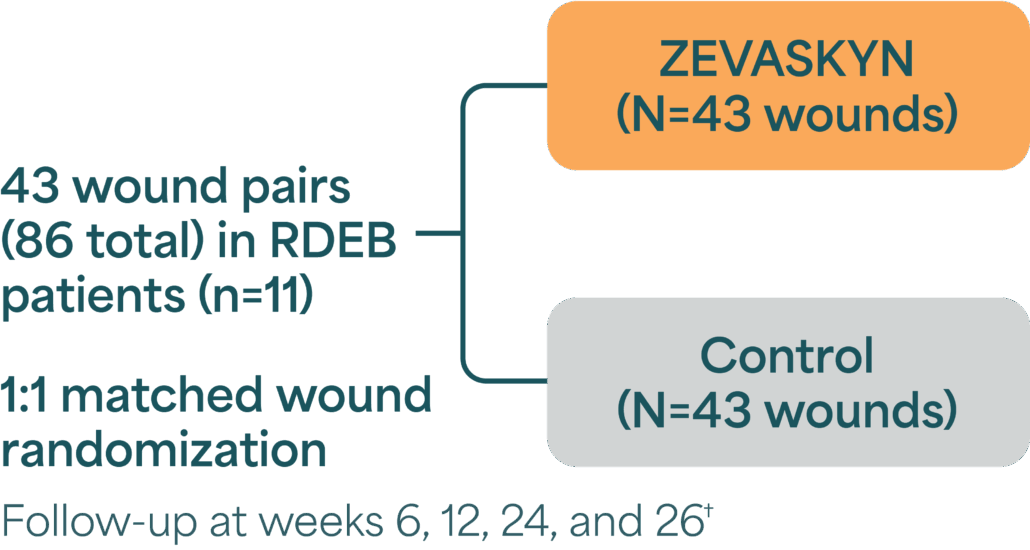
Graph highlighting the design of the VIITAL Phase 3 study

Key endpoints (change from baseline at week 24)1,2

  • ≥50% wound healing (coprimary)
  • Pain reduction (coprimary)
  • Complete wound healing (secondary)
  • ≥75% wound healing (exploratory)
  • Itch reduction (exploratory)

Select baseline demographics1,2

  • Median patient age: 21 years (range 6-40 years)
  • Median body surface area treated with ZEVASKYN: 240 cm2 (6 sheets)§

Select wound demographics1,2

  • Each wound evaluated was ≥20 cm2
  • Median wound duration: 5 years (range 6 months-21 years)
  • N=wounds, n=patients.
  • *Supportive care, such as daily bandaging and palliative measures.2
  • Wounds were assessed by investigator based on predefined criteria to score healing. Healing achieved at week 24 was confirmed at least 2 weeks later (week 26).1
  • Complete wound healing defined as complete re-epithelialization with no drainage or erosion, and no major crusting.1
  • §ZEVASKYN was placed on 57 wounds (43 randomized and 14 non-randomized); range of body surface area treated: 120-240 cm2 (3-6 sheets).1,2

Phase 3 (VIITAL study) | Healing at week 24

ZEVASKYN can close even tough RDEB wounds1

ZEVASKYN achieved significant healing as evaluated at week 241
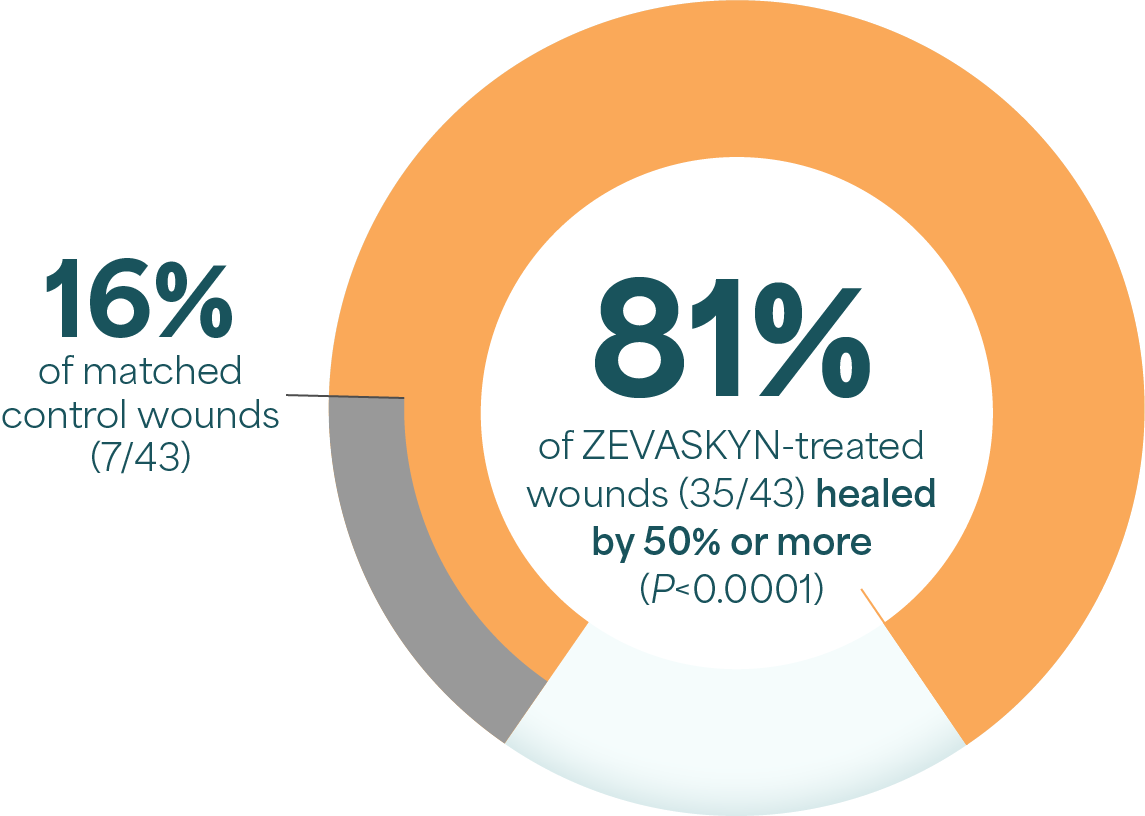
Pie chart highlighting that ZEVASKYN achieved significant healing at week 24
  • Complete healing achieved in 16% of ZEVASKYN-treated wounds (7/43) vs 0% of matched control wounds (0/43; P=0.0160)
  • ~2 out of 3 ZEVASKYN-treated wounds (28/43) healed by 75% or more vs 7% of matched control wounds (3/43)2

Wave icon

In post hoc analysis of evaluated wounds at 6 weeks, 96% of ZEVASKYN-treated wounds (27/28) were healed by 50% or more vs 25% of control wounds (7/28)2||

  • ||Missing data were not imputed; observed cases only.2

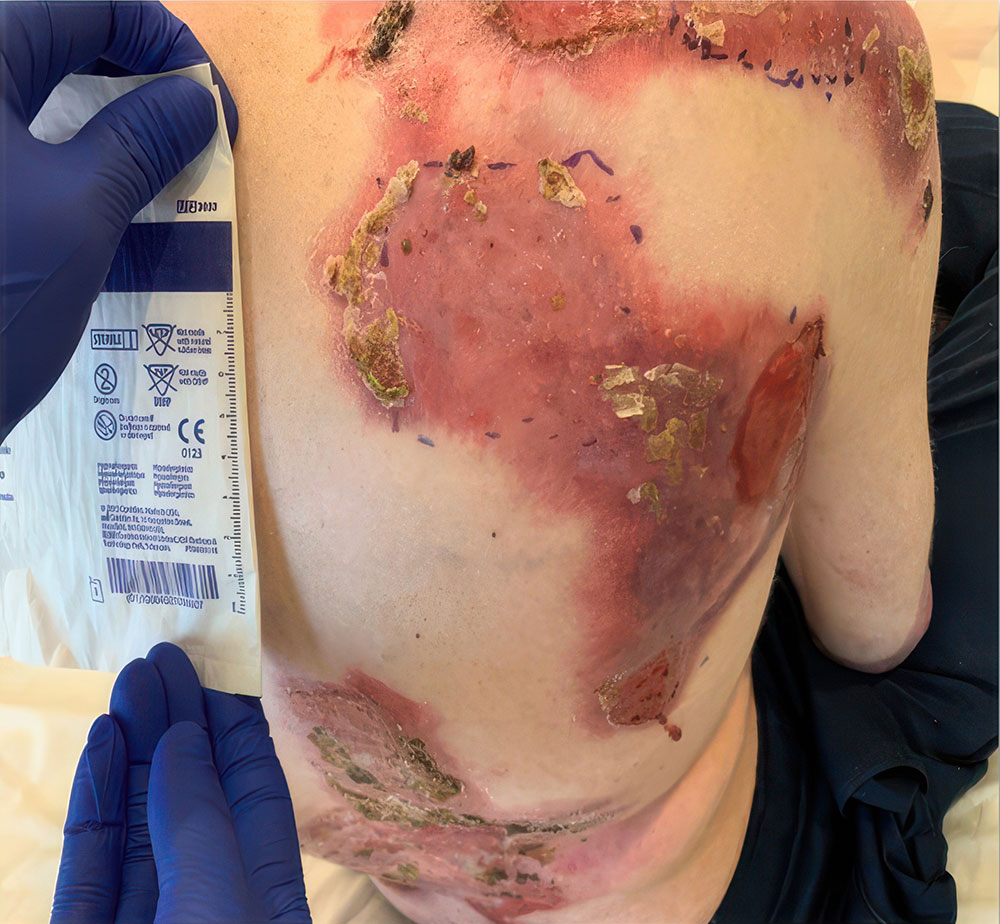
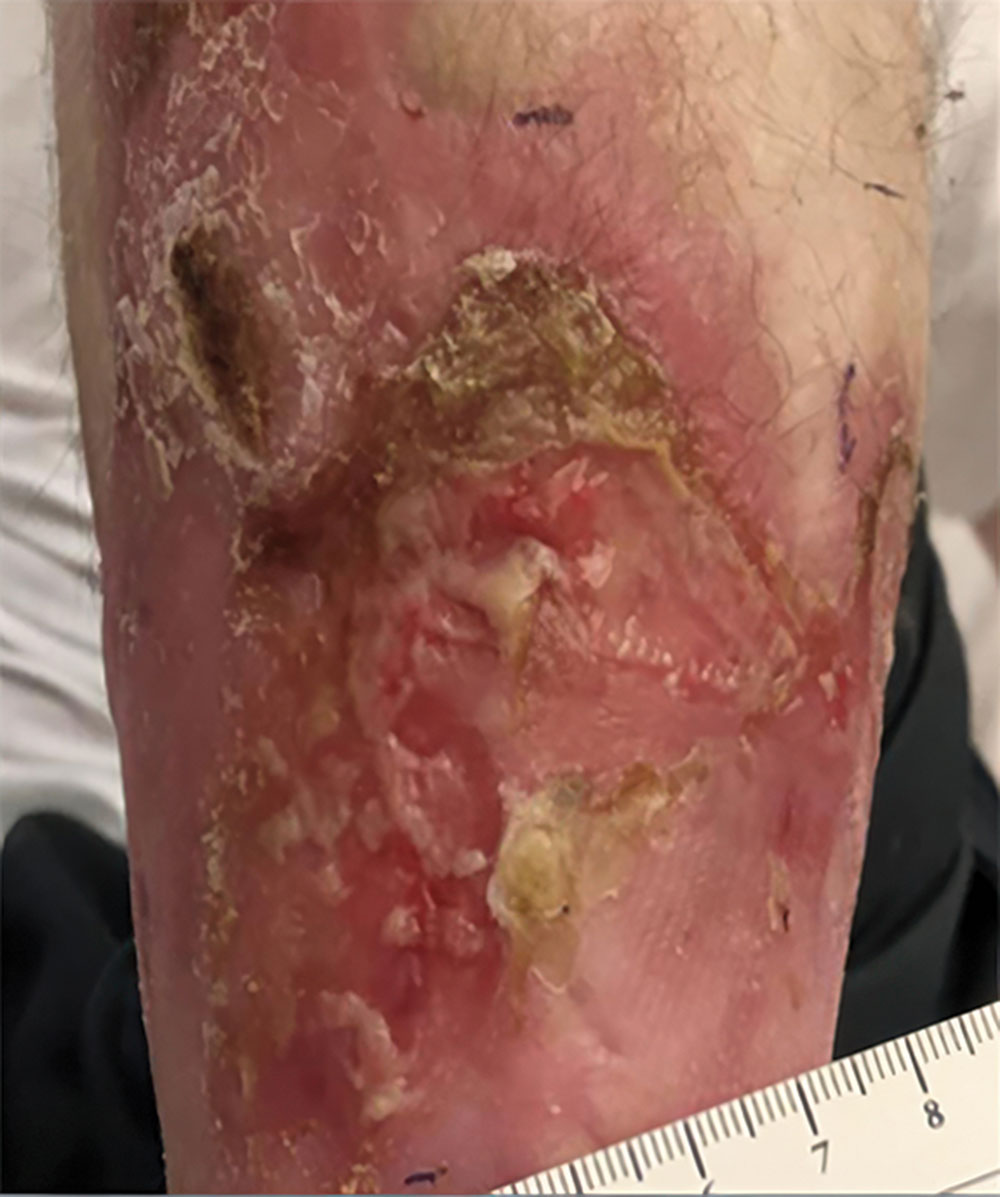
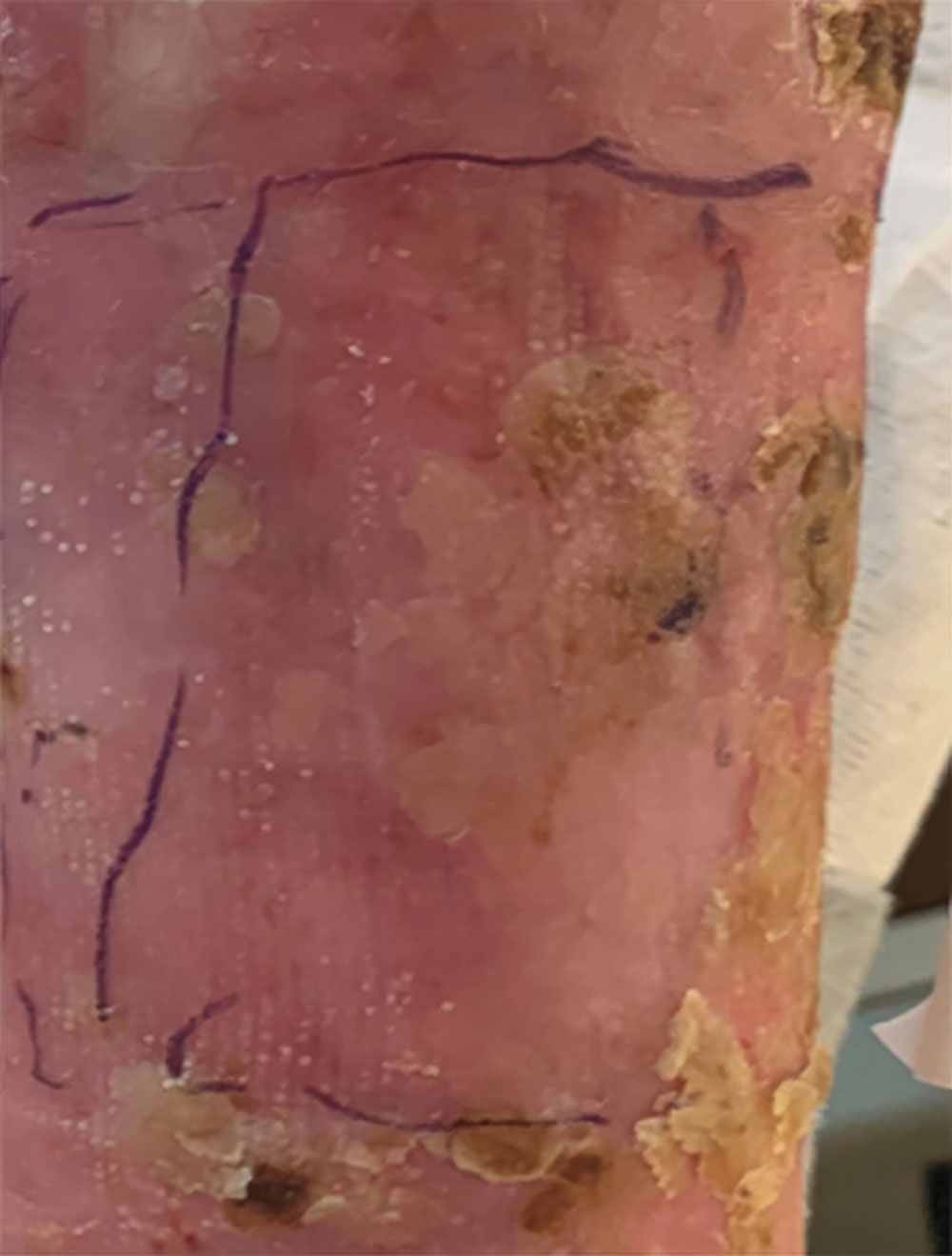
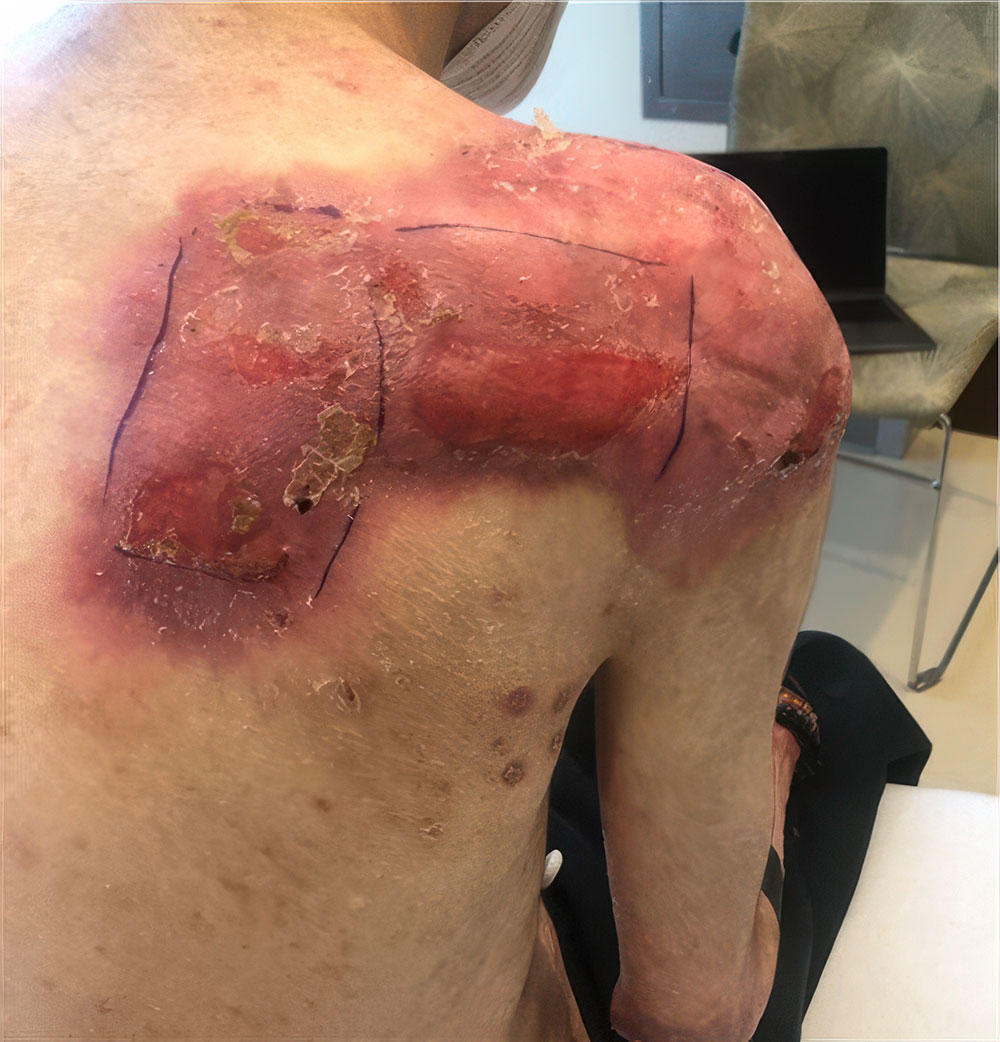
Phase 3 (VIITAL study) | Before and after images

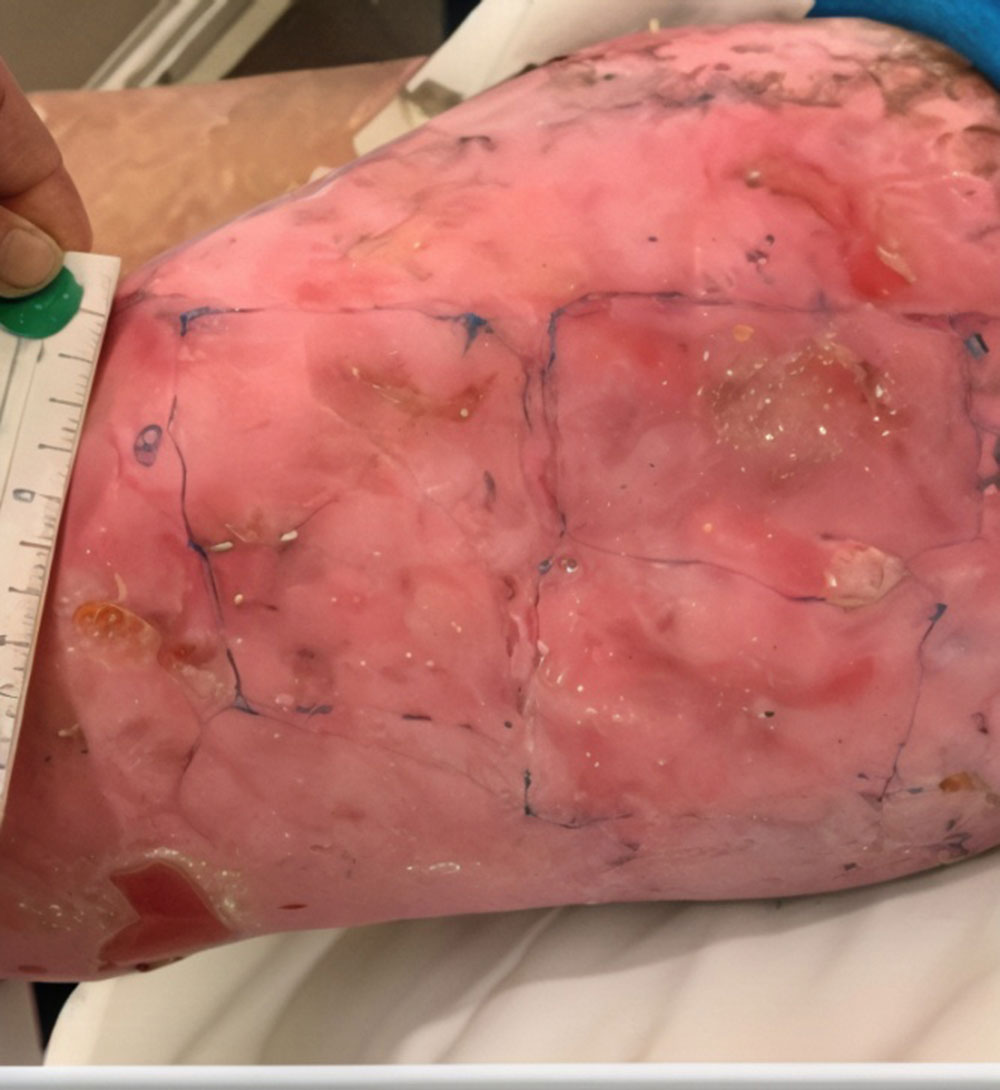
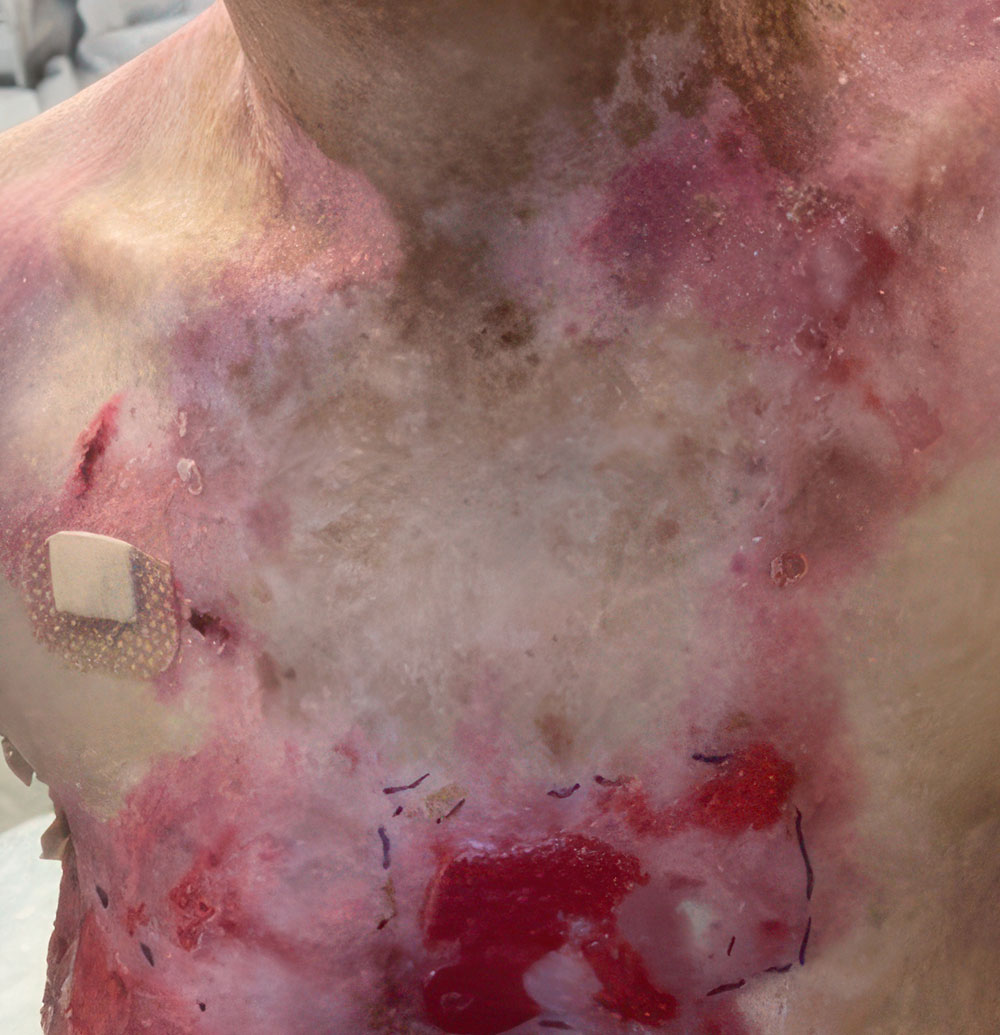
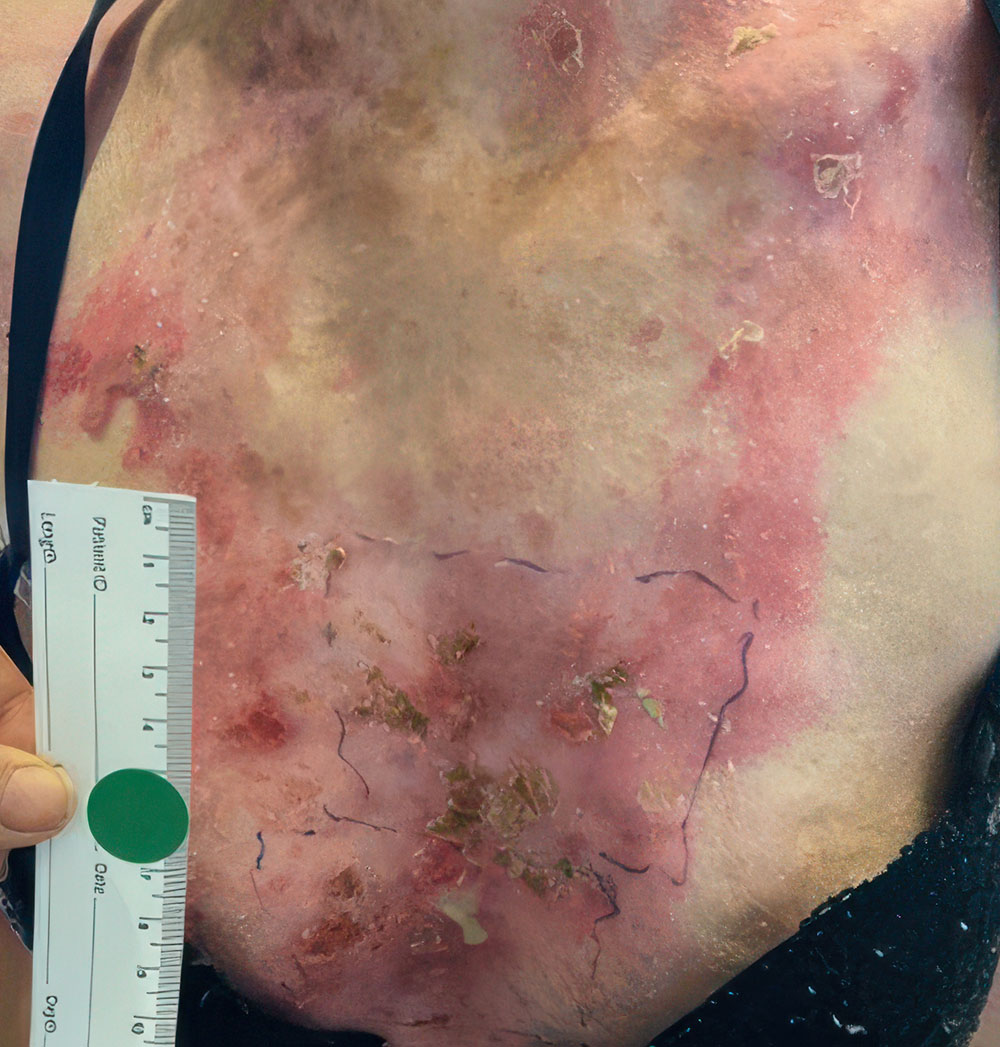
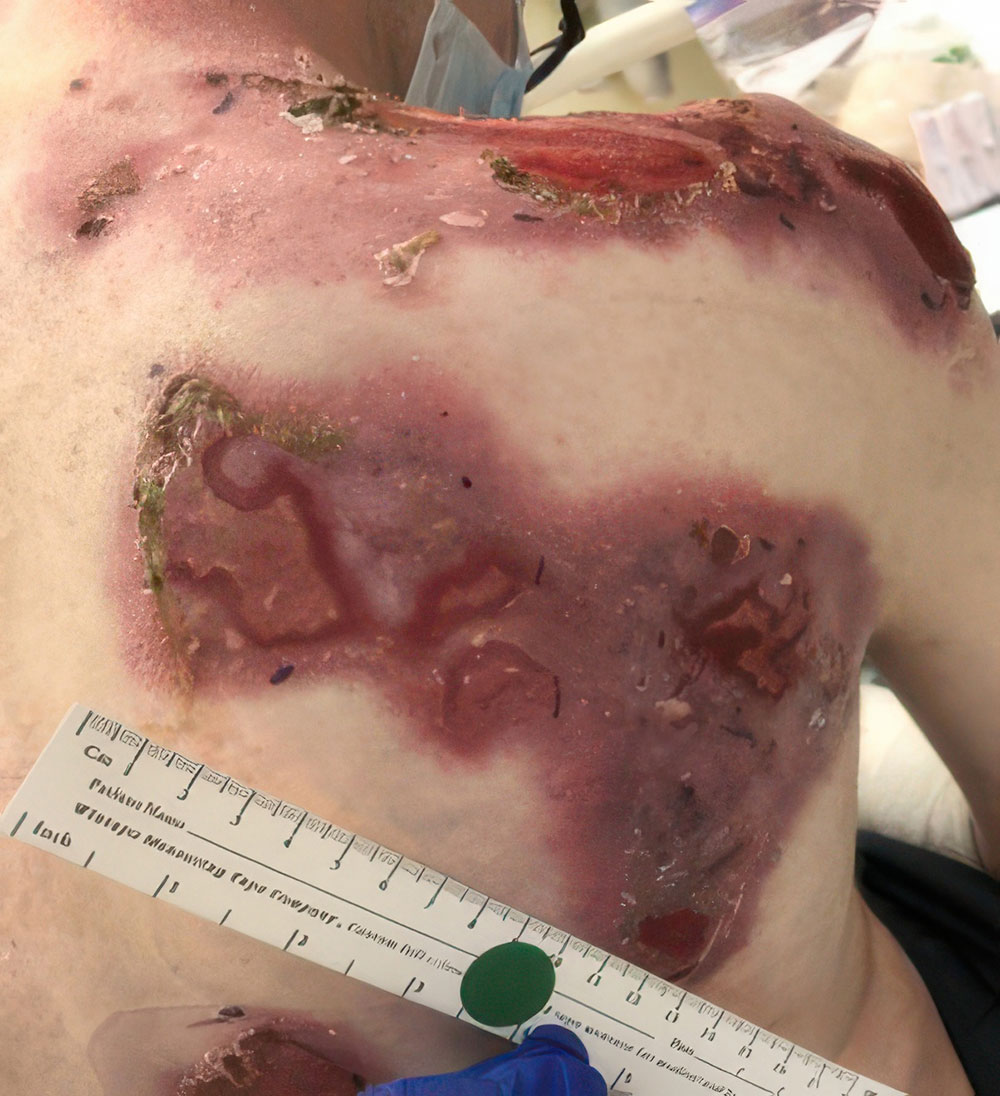
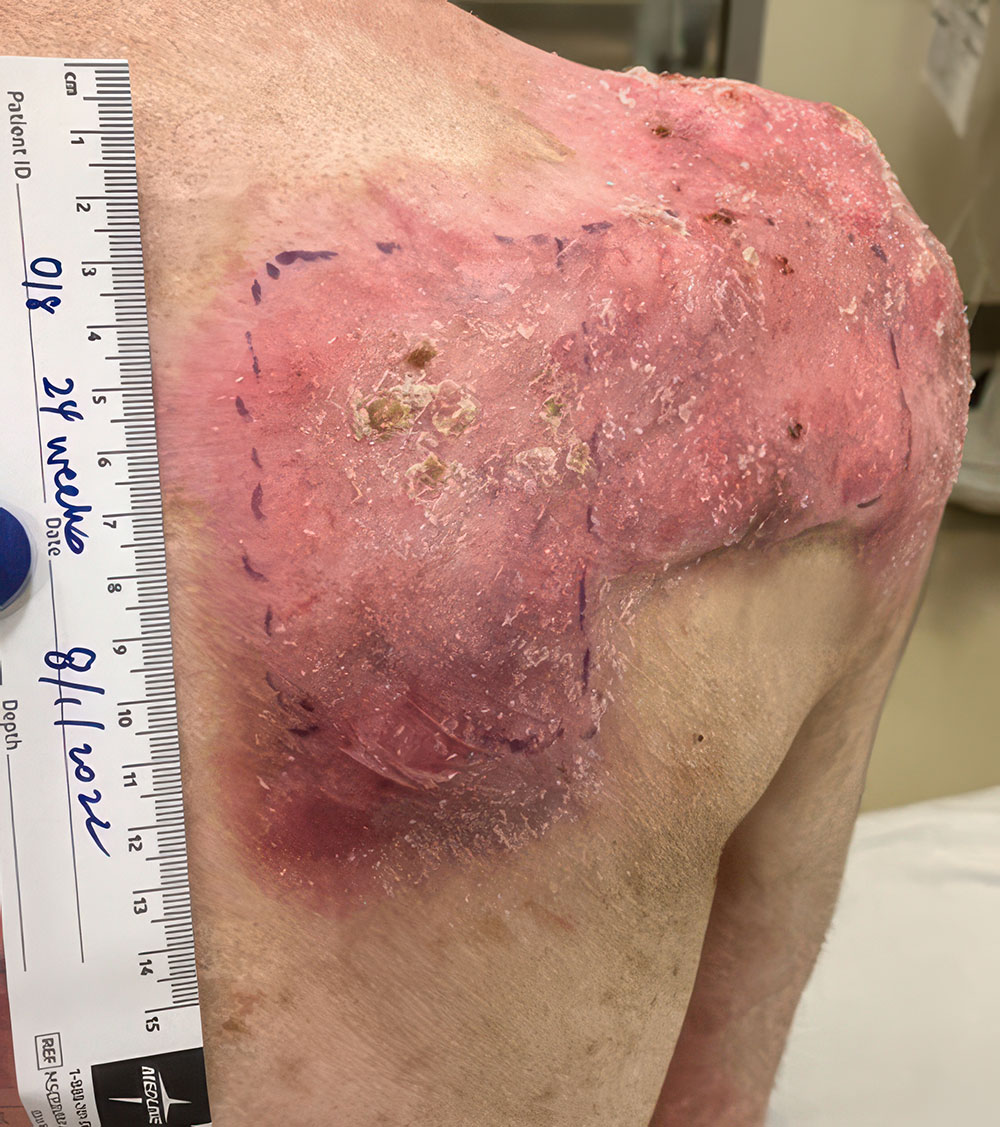
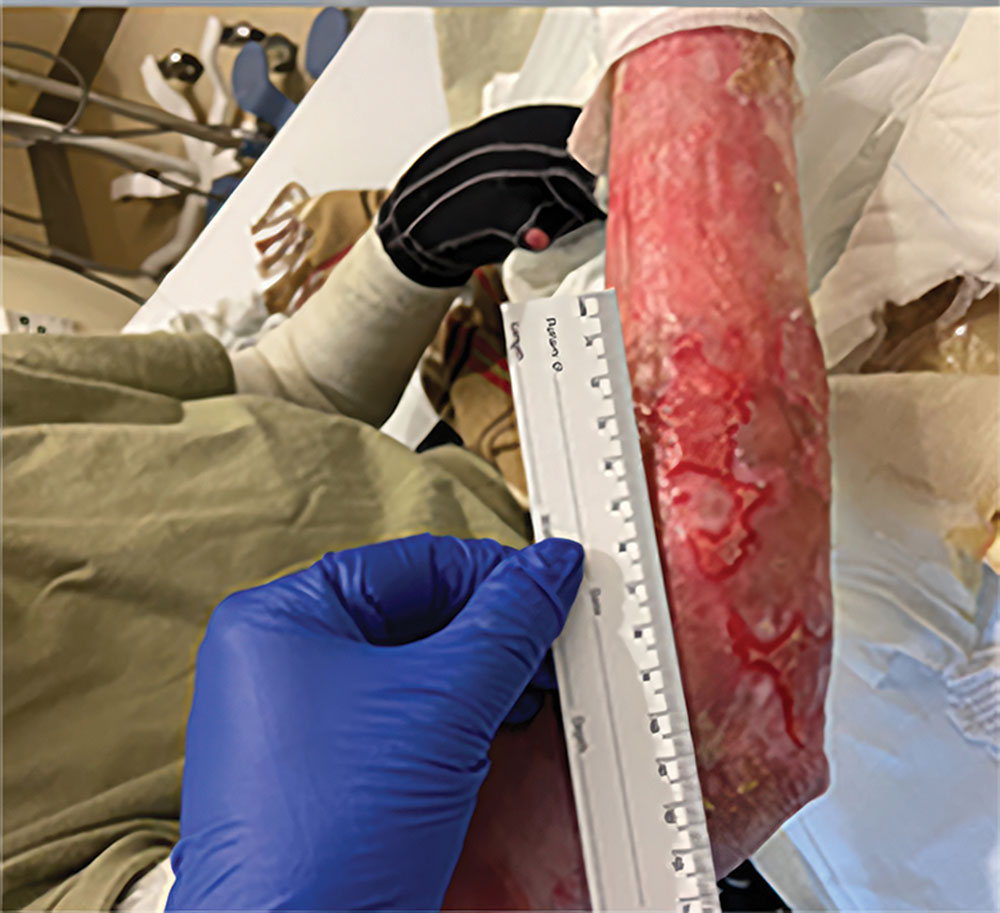
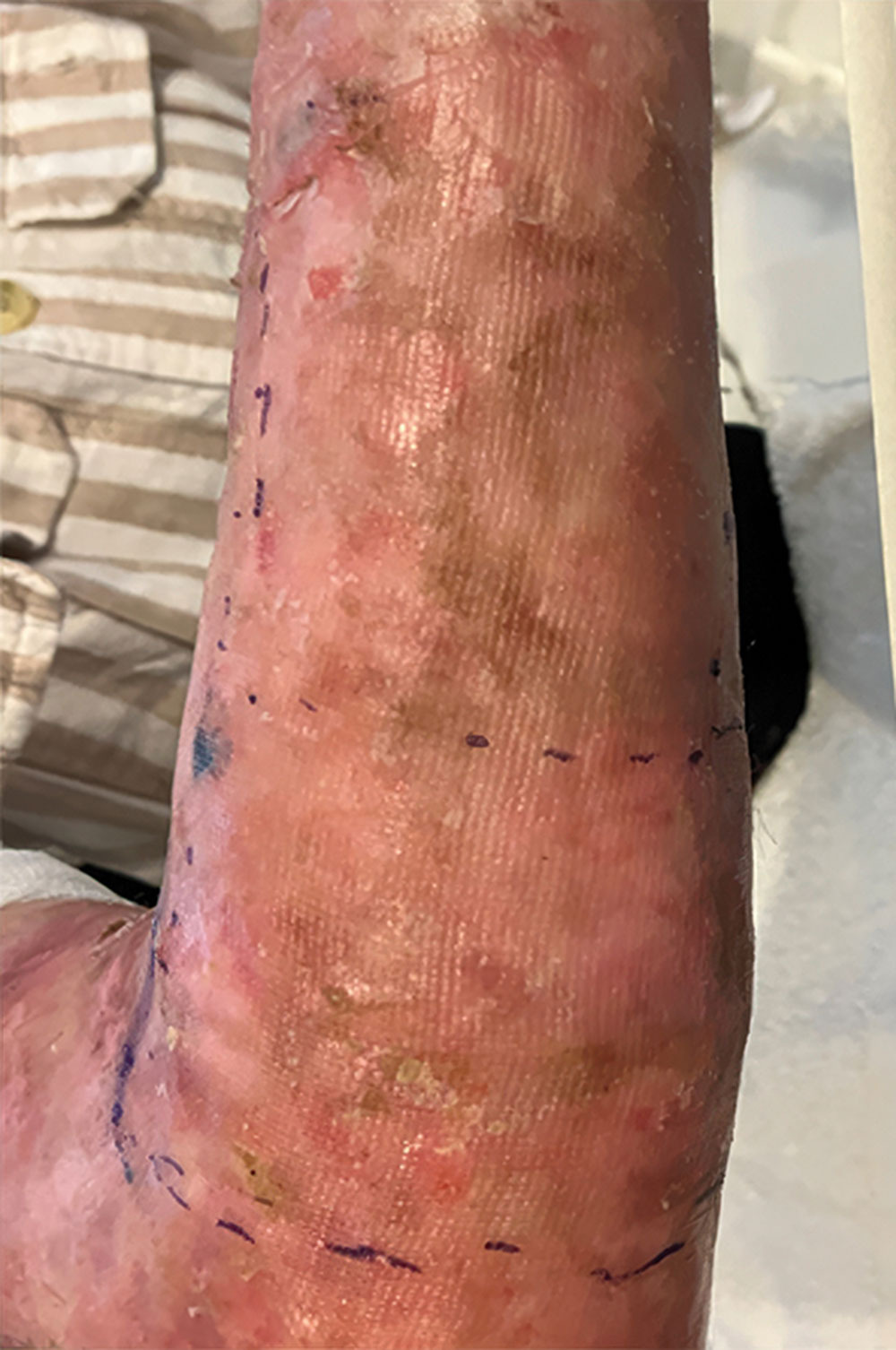
Before and after ZEVASKYN treatment3
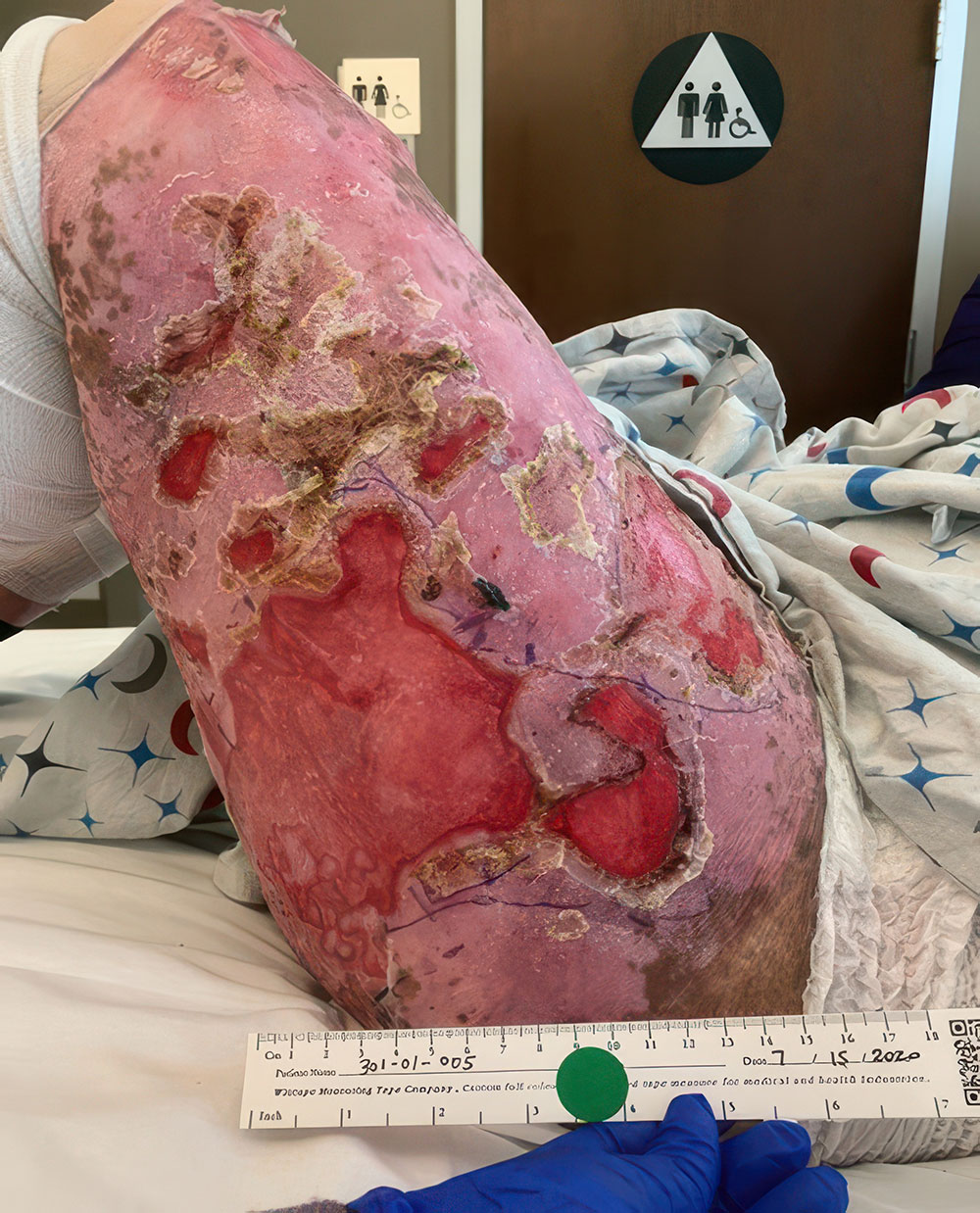
Left thigh
Left thigh baseline RDEB wound Left thigh wound at week 24 of ZEVASKYN treatment
Chest
Baseline RDEB chest wound Chest wound at week 24 of ZEVASKYN treatment
Upper back
Baseline RDEB upper back wound Upper back wound at week 24 of ZEVASKYN treatment
Left leg
Baseline RDEB left leg wound Left leg wound at week 24 of ZEVASKYN treatment
Back
Baseline RDEB back wound Back wound at week 24 of ZEVASKYN treatment
Right arm
Right arm baseline RDEB wound Right arm wound at week 24 of ZEVASKYN treatment
Baseline
Week 24
Individual results may vary.
Noelle, a patient treated with ZEVASKYN, smiling

If I had the chance to do [ZEVASKYN treatment] again, I would. It helped me a ton. And I did see the difference in my skin. I think it’s worth it.”

Phase 3 (VIITAL study) | Pain/itch reductions

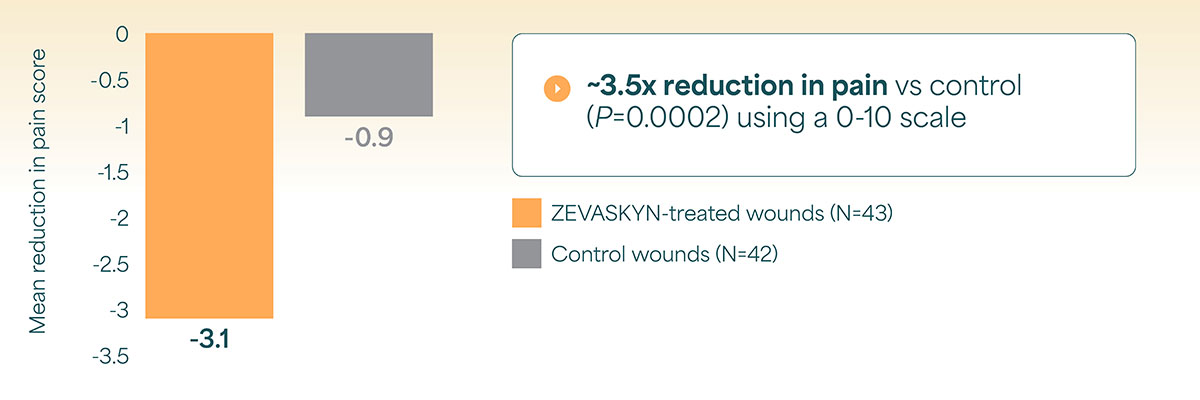
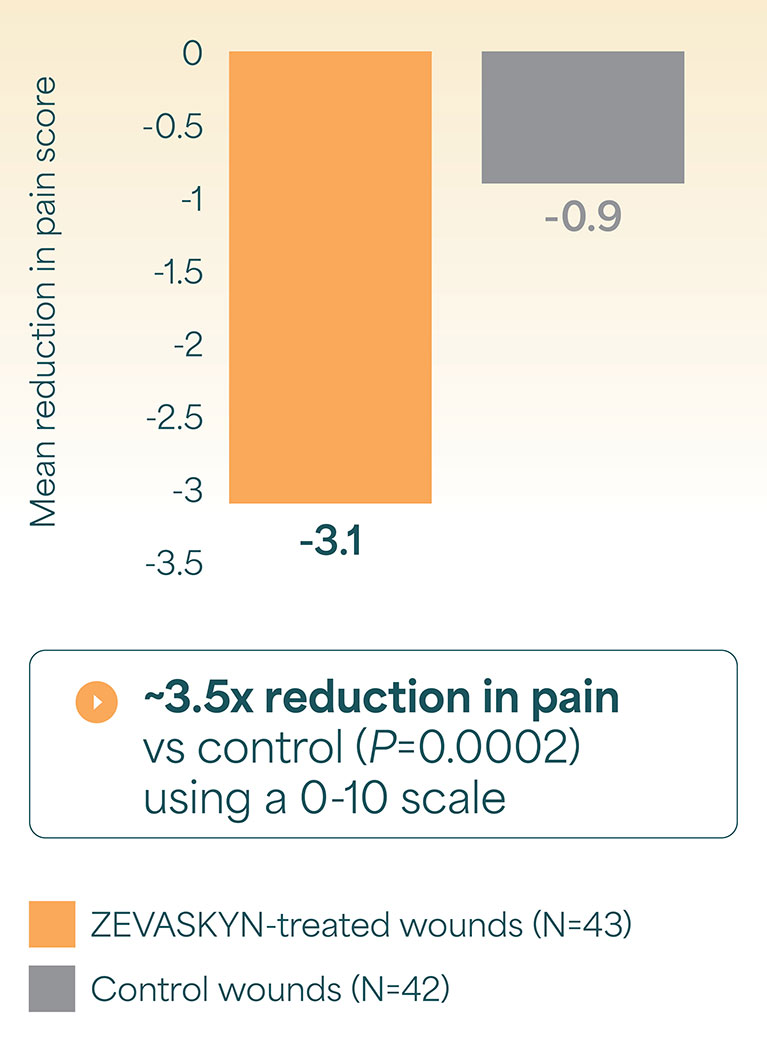
ZEVASKYN: Proven to reduce pain in treated wounds1,2

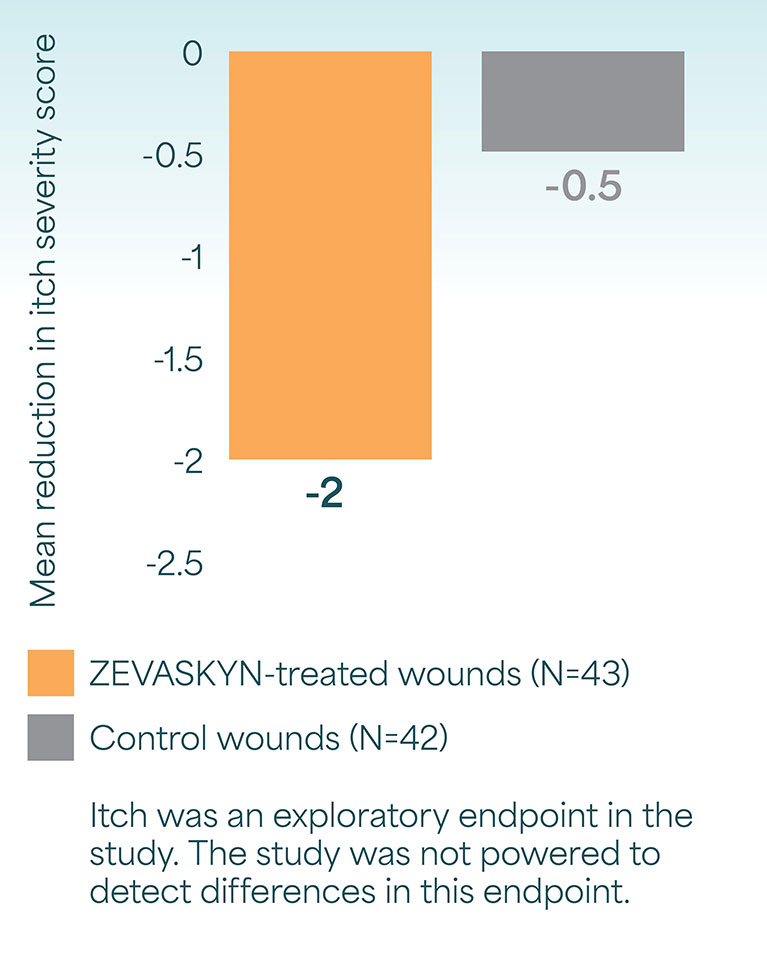
Reduction in pain and itch at week 24 in the VIITAL study

Mean pain reduction from baseline (coprimary endpoint)

Mean pain reduction from baseline graph

Mean reduction in itch severity from baseline2#
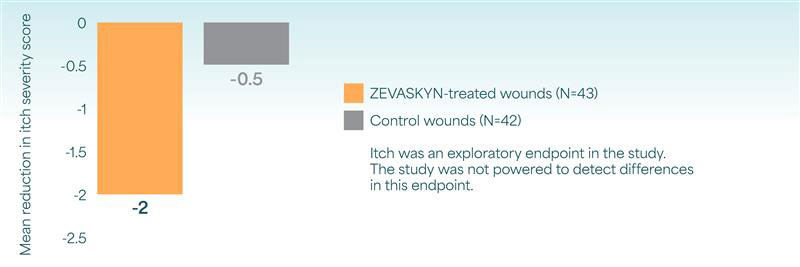
Mean reduction in itch severity from baseline graph
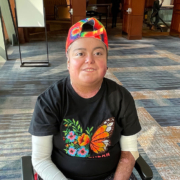
Guadalupe, a patient treated with ZEVASKYN, smiling

Oh, it was bad [before ZEVASKYN was applied]. It was constantly itching, and the medicine wasn’t helping. And then [after ZEVASKYN was applied, there] was less itching…and less pain too. When it heals [after surgery], I don’t feel itching. No more itching, no more pain.”

  • N=wounds, n=patients.
  • Pain was assessed via the Wong-Baker FACES® scale or numeric rating scale (0-10) following wound dressing change. For every postbaseline assessment, pain reduction is defined as postbaseline pain score minus baseline pain score.1,2
  • #Itch severity was assessed using the Worst Itch-Numeric Rating Scale (WI-NRS), ranging from 0 (no itch) to 10 (worst itch imaginable).2
Lower Group

Phase 1/2a long-term follow-up | Long-term follow-up images

  • Study design: Open-label, single-arm, single-center1,5
  • Patient population: 7 patients with RDEB; 38 chronic wounds assessed5
  • Follow-up duration: Median 6.9 years (range 4-8 years); planned follow-up of 15 years5
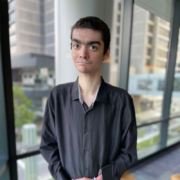
Antonio, a ZEVASKYN patient

So, they were chronic wounds open for 10 plus years with no significant improvement. And so, after the surgery, my skin is much improved, and it doesn’t break down as easy or wound or the area of raw skin is diminished.”

Find a ZEVASKYN Qualified Treatment Center for your patients

Doctor greeting a patient during a telehealth appointment

References: 1. ZEVASKYN (prademagene zamikeracel) Prescribing Information. Cleveland, OH: Abeona Therapeutics Inc; 2025. 2. Clinical study report 14563/31095. Abeona Therapeutics Inc. 3. Eichstadt S, Barriga M, Ponakala A, et al. JCI Insight. 2019;4(19):e130554. doi:10.1172/jci.insight.130554 4. So JY, Nazaroff J, Iwummadu CV, et al. Orphanet J Rare Dis. 2022;17(1):377. doi:10.1186/s13023-022-02546-9

Indication

ZEVASKYN® (prademagene zamikeracel) is an autologous cell sheet-based gene therapy indicated for the treatment of wounds in adult and pediatric patients with recessive dystrophic epidermolysis bullosa (RDEB).

Important Safety Information

  • Severe hypersensitivity reactions to vancomycin, amikacin, or product excipients may occur with ZEVASKYN application. Monitor for signs and symptoms of hypersensitivity reactions such as itching, swelling, hives, difficulty breathing, runny nose, watery eyes, nausea, and in severe cases, anaphylaxis and treat according to standard clinical practice.
  • Retroviral vector (RVV)-mediated insertional oncogenesis may potentially occur after treatment with ZEVASKYN. Monitor patients lifelong after treatment for the development of malignancies. In the event that a malignancy occurs, contact Abeona Therapeutics Inc. at 1-844-888-2236.
  • Transmission of infectious disease or agents may occur with ZEVASKYN because it is manufactured using human- and bovine-derived reagents, which are tested for human and animal viruses, bacteria, fungi, and mycoplasma before use. These measures do not eliminate the risk of transmitting these or other infectious diseases or agents.
  • The most common adverse reactions (incidence ≥5%) were procedural pain and pruritus.

Please see full Prescribing Information.

Indication

ZEVASKYN® (prademagene zamikeracel) is an autologous cell sheet-based gene therapy indicated for the treatment of wounds in adult and pediatric patients with recessive dystrophic epidermolysis bullosa (RDEB).

Important Safety Information

  • Severe hypersensitivity reactions to vancomycin, amikacin, or product excipients may occur with ZEVASKYN application. Monitor for signs and symptoms of hypersensitivity reactions such as itching, swelling, hives, difficulty breathing, runny nose, watery eyes, nausea, and in severe cases, anaphylaxis and treat according to standard clinical practice.
  • Retroviral vector (RVV)-mediated insertional oncogenesis may potentially occur after treatment with ZEVASKYN. Monitor patients lifelong after treatment for the development of malignancies. In the event that a malignancy occurs, contact Abeona Therapeutics Inc. at 1-844-888-2236.
  • Transmission of infectious disease or agents may occur with ZEVASKYN because it is manufactured using human- and bovine-derived reagents, which are tested for human and animal viruses, bacteria, fungi, and mycoplasma before use. These measures do not eliminate the risk of transmitting these or other infectious diseases or agents.
  • The most common adverse reactions (incidence ≥5%) were procedural pain and pruritus.

Please see full Prescribing Information.